
UKGC: £7M of 888 Fine Was Punitive
FOI data reveals nearly 75% of the operator's £9.4m penalty was for punishment, not just recovery of gains.
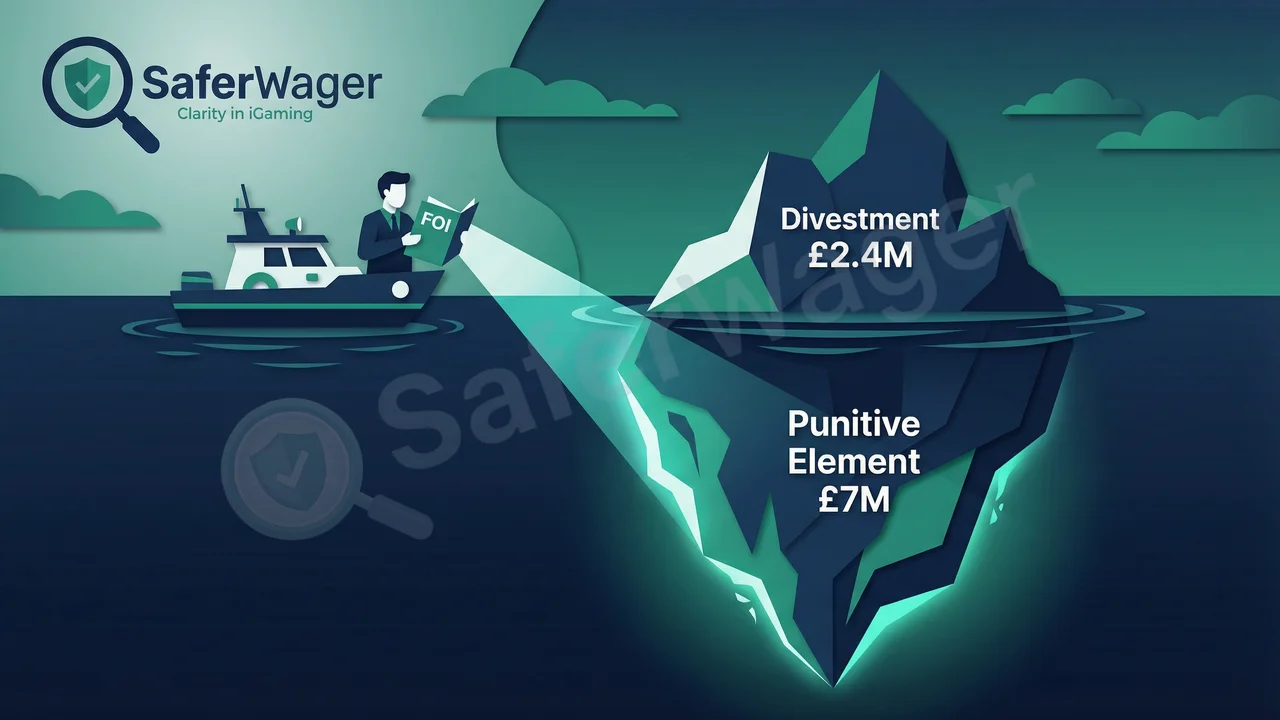
A Freedom of Information request has detailed the composition of the £9.4 million fine issued to 888 Holdings. The data shows that £7 million was a direct penalty, with the remainder being a divestment of gains from regulatory failures. This breakdown highlights the UKGC's focus on punitive measures to deter operator misconduct.
Article Content
A Freedom of Information (FOI) request has provided a precise breakdown of the £9.4 million fine levied against 888 Holdings PLC, revealing the Gambling Commission's punitive approach to regulatory enforcement.
The response, dated 5 July 2023, confirms the composition of the financial penalty issued on 1 March 2022 for social responsibility and anti-money laundering (AML) failures. The data shows that the vast majority of the fine was intended as a direct punishment rather than simply a recovery of funds gained through the breaches.
Why This Data Matters
For consumers, this breakdown offers a rare glimpse into the mechanics of regulatory sanctions. It demonstrates that when the UK Gambling Commission (UKGC) fines an operator, the penalty often consists of two parts: a divestment to remove any financial gain from the failings, and a separate, often larger, punitive element to deter future misconduct. A significant punitive element, as seen here, indicates the regulator viewed the operator's failures as particularly severe.
Breakdown of the £9.4M Penalty
The FOI response details the total financial penalty of £9,409,756.48. This figure was composed of:
- Penal Element: £6,984,000
- Divestment (to eliminate financial gain): £2,425,756.48
This means that nearly 75% of the total fine was a direct penalty intended to punish 888 Holdings for its failings. The remaining 25% was a divestment, forcing the company to surrender money it was deemed to have gained as a result of the breaches.
In its response, the UKGC noted that the information was technically available within its original public statement. However, the FOI request isolates these specific figures, confirming the regulator's calculations.
In addition to the financial penalty, the Commission also imposed other sanctions on 888 Holdings, including:
- An official warning under section 117(1)(a) of the Gambling Act 2005.
- An order to conduct an independent audit of its processes for social responsibility and AML.
Industry Significance
The detailed figures underscore the UKGC's enforcement strategy. The regulator is not simply concerned with making operators return money acquired through non-compliance; it actively imposes substantial additional penalties to deter poor practices across the industry.
This breakdown serves as a clear warning to all licensed operators that the cost of failing to protect consumers and prevent money laundering extends far beyond the immediate financial gains. The high proportion of the fine dedicated to punishment highlights the financial and reputational risks of regulatory non-compliance.