
UKGC Data: 3.4M Self-Exclusions in 2022
Freedom of Information request reveals over 500,000 attempts to breach exclusion schemes in a single year, with Flutter brands dominating the list.
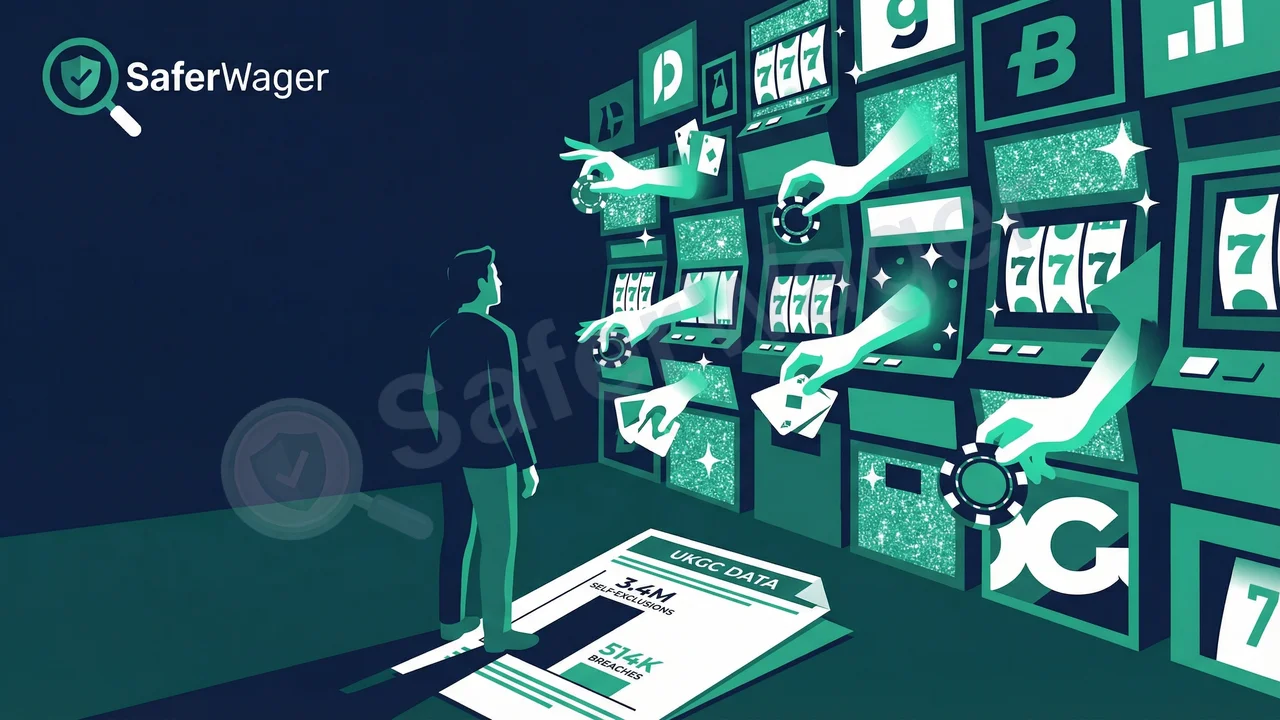
New data from the UK Gambling Commission shows 3.4 million self-exclusions were made in 2022, with over 500,000 breaches recorded. The figures, released via a Freedom of Information request, highlight the scale of players seeking to control their gambling and the challenges in enforcing exclusions.
Article Content
Over 3.4 Million Self-Exclusions in 2022, UKGC Data Reveals
More than 3.4 million self-exclusions were initiated by customers with UK-licensed gambling operators in 2022, according to new data released by the Gambling Commission (UKGC). The figures, disclosed in response to a Freedom of Information (FOI) request from 7 July 2023, also show that over half a million attempts were made by excluded individuals to gamble during the same period.
Why This Data Matters
Self-exclusion is a key tool for consumer protection, allowing individuals to request that an operator block them from their gambling services for a set period, typically between six months and five years. It is a commitment made by a player who feels they are at risk of or are experiencing gambling harm. This data provides a crucial, large-scale snapshot of how many consumers are using this facility to manage or stop their gambling.
A Breakdown of the Numbers
The UKGC's response provided several key statistics for the 2022 calendar year:
-
Total Self-Exclusions: A total of 3,419,784 self-exclusion applications were made. The UKGC noted this figure represents the number of applications, not distinct individuals. A single person excluding from multiple operators would be counted several times. The Commission was unable to provide a figure for the number of unique people who self-excluded.
-
Exclusion Breaches: There were 514,182 recorded breaches of self-exclusion agreements. A breach is defined as any known attempt by a self-excluded individual to access facilities, attempt to gamble, or successfully gamble. This highlights the challenge for both operators and vulnerable players in making exclusions watertight.
-
Returning to Gambling: There were 651,563 instances of individuals "opting to return following self-exclusion." After the minimum exclusion period ends, a customer must take positive action to be able to gamble again. This figure represents the occasions on which customers chose to do so.
Top 10 Operators for Self-Exclusions
The data revealed the ten operator licences that processed the most self-exclusions in 2022. Multiple licences belonging to the global operator Flutter Entertainment (Paddy Power, Betfair, Sky Bet, PokerStars) feature prominently on the list.
- PPB Counterparty Services Limited (Flutter): 361,423
- PPB Entertainment Limited (Flutter): 353,069
- PPB Games Limited (Flutter): 336,108
- Bonne Terre Limited (Sky Betting & Gaming / Flutter): 225,354
- Gamesys Operations Limited: 198,563
- PPB GE Limited (Flutter): 194,101
- TSE Malta LP (PokerStars / Flutter): 162,188
- Betfair Casino Limited (Flutter): 150,999
- Grand Battery Holdings Limited: 114,658
- Genesis Global Limited: 77,881
What This Means for Consumers
The sheer volume of self-exclusions underscores the widespread use of this responsible gambling tool. The high number of recorded breaches, however, indicates that self-exclusion is not a flawless system. It serves as a reminder that individuals who have self-excluded may still try to access gambling services, and operators must have robust systems in place to prevent this from happening.
The data provides valuable context for consumers on the scale of player protection measures across the industry and highlights the ongoing challenges in preventing gambling-related harm.