
UKGC Reveals Evidence for Key Gambling Rules
FOI disclosure details dozens of sources used to shape affordability, vulnerability, and in-play betting policies.
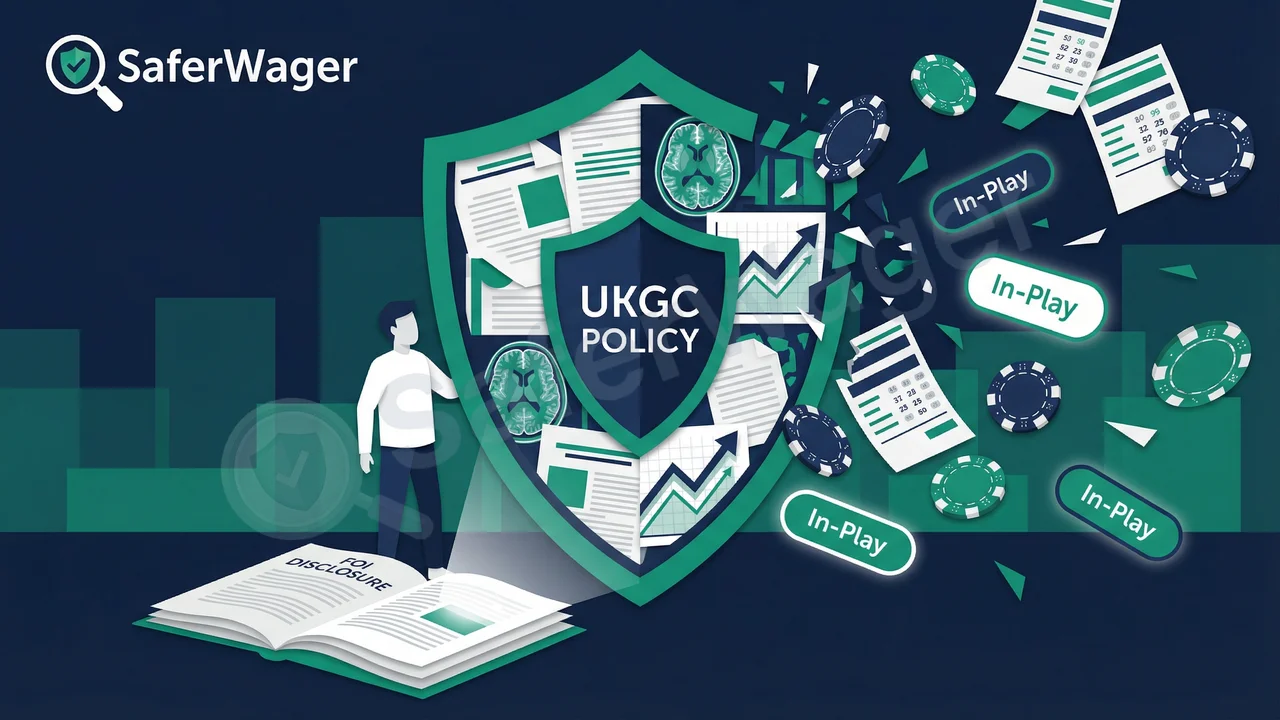
A Freedom of Information (FOI) request has revealed the extensive evidence base the UK Gambling Commission used to create key consumer protection rules. The disclosure lists dozens of sources informing policies on affordability, vulnerability, and in-play betting, providing crucial transparency into how the regulator protects players.
Article Content
A Freedom of Information (FOI) request has revealed the extensive evidence base the UK Gambling Commission (UKGC) used to develop some of its most significant consumer protection policies.
The request, dated 18 January 2023, asked the regulator to provide the titles of academic papers, case studies, and other materials that informed its guidance on affordability, customer vulnerability, and the risks associated with in-play betting.
In a full disclosure, the UKGC provided a comprehensive list of sources, demonstrating that its rules are underpinned by a wide array of research from public health, finance, neuroscience, and social science, as well as its own enforcement history.
Why This Matters
For consumers, this disclosure provides crucial transparency. It shows that regulatory requirements, such as affordability checks and operator duties to identify vulnerable customers, are not arbitrary. Instead, they are based on a broad body of evidence concerning the drivers and indicators of gambling-related harm.
The Evidence for Affordability Rules
The regulator's approach to financial risk and affordability was informed by several key sources:
- UKGC Enforcement Cases: Lessons learned from previous regulatory action against operators.
- National Statistics: Data from the Office of National Statistics (ONS) on personal and household finances.
- Harm Correlation Studies: Reports from Public Health England and GamCare linking high levels of financial loss to gambling harm.
- Academic Research: Studies using large-scale financial data to map the association between gambling and negative financial and health outcomes.
Defining Vulnerability
The response shows the UKGC takes a multi-faceted view of vulnerability, drawing on an extensive list of evidence. The regulator considers a wide range of factors that can make a person more susceptible to harm, including:
- Mental and Physical Health: Research on the links between gambling and depression, anxiety, suicidal ideation, brain injuries, and side effects from medication.
- Age: Studies on brain development and impulsivity in young adults, as well as research into the challenges faced by older adults, such as bereavement and social isolation.
- Financial Status: Analysis of deprivation, low income, and the impact of financial shocks.
- Life Events: Evidence concerning domestic abuse, bereavement, and other significant changes in circumstances.
- Cognitive Factors: Research into impulsivity, risk appetite, and conditions like dyslexia that can affect a consumer's understanding.
In-Play Betting as a Harm Indicator
The UKGC’s position that in-play betting can be a marker of harm is supported by evidence focused on product characteristics and player behaviour. Key sources included:
- Patterns of Play Data: Analysis from NatCen showing how people gamble online.
- Event Frequency Research: Studies on how the speed of play can impact self-control, arousal, and decision-making.
- Impulse Betting Studies: Research into the factors that predict impulsive sports betting.
Industry Significance
This disclosure clarifies the depth of evidence the Gambling Commission uses to formulate policy. It signals to the industry that consumer protection measures are not developed in a vacuum but are rooted in a wide-ranging and cross-disciplinary understanding of risk and harm. For consumers, it offers reassurance that the regulator's rules are designed on an evidence-based foundation.