
UKGC Releases EuroMillions Data, Withholds Recent Figures
FOI response provides nearly three years of UK sales data but redacts figures from January 2024, citing commercial sensitivity for the new lottery operator.
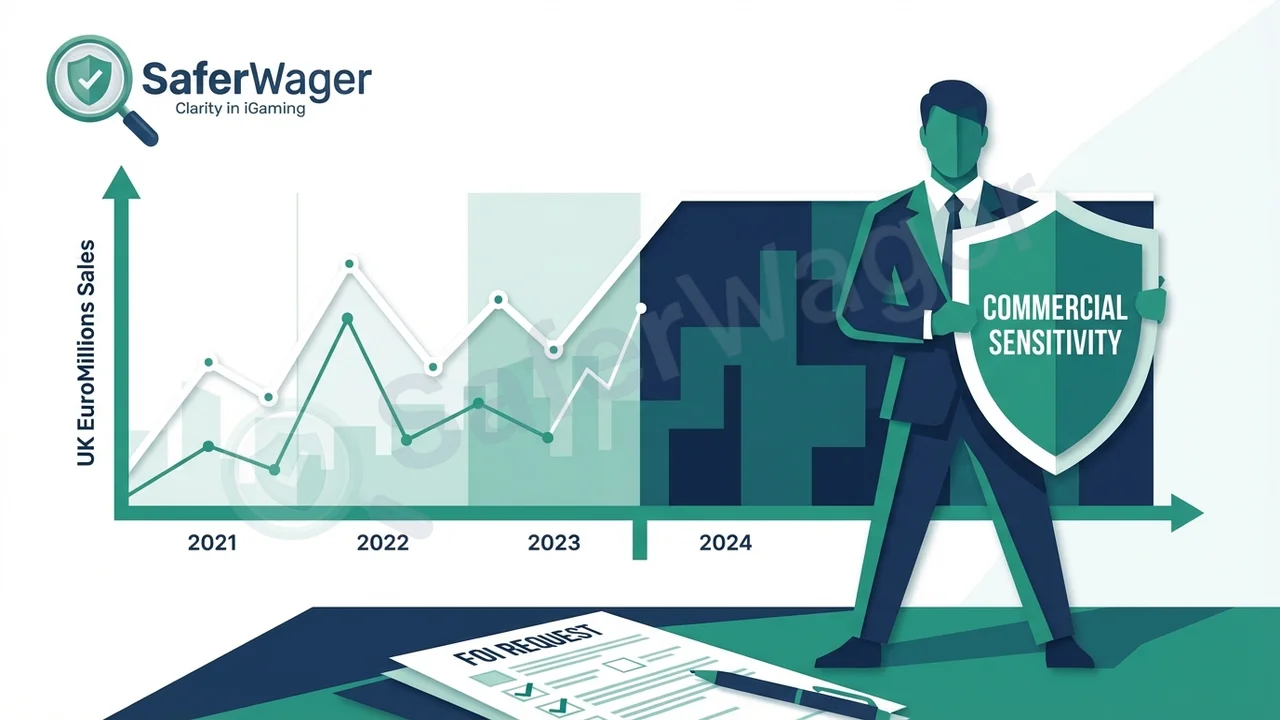
The UK Gambling Commission has released nearly three years of UK EuroMillions sales data following an FOI request. However, it has withheld figures from January 2024 onwards, citing commercial sensitivity for new National Lottery operator Allwyn.
Article Content
UK Sales Data Released, But Recent Figures Kept Secret
A Freedom of Information (FOI) request has prompted the UK Gambling Commission (UKGC) to release a detailed breakdown of UK EuroMillions ticket sales from 30 March 2021 to 30 January 2024. However, the regulator has withheld more recent sales data, citing commercial sensitivity and the potential for it to be misinterpreted.
The data, released in response to a request on 22 April 2024, provides a rare, draw-by-draw look into the performance of one of the UK's most popular lottery games. For consumers, this information offers a transparent view of sales trends and participation over a significant period.
What the Data Reveals
The released spreadsheet contains two key sets of information:
- UK Ticket Sales: The value of ticket sales in Pounds (£) for each individual EuroMillions draw within the specified timeframe. The ticket price remained constant at £2.50 during this period.
- Overall Jackpot Amounts: The total jackpot for each draw, provided in Euros (€), as it relates to the prize pool across all participating European countries.
This dataset allows for an in-depth analysis of how UK sales fluctuate, particularly in response to large rollover jackpots. It provides a factual basis for understanding consumer spending on the game over nearly three years under the previous National Lottery operator, Camelot.
Why Recent Data Was Withheld
Crucially, the UKGC refused to provide sales data from January 2024 onwards. This period is significant as it marks the beginning of the fourth National Lottery licence, operated by Allwyn.
The Commission invoked Section 43 of the FOI Act, which provides an exemption for information deemed commercially sensitive. In its public interest assessment, the UKGC argued that releasing the recent figures could be damaging to the new operator's commercial interests.
The regulator stated that releasing sales figures "in isolation, without appropriate context and explanation of overall sales performance leaves them open to misinterpretation... by third parties who can then go on to paint a misleading picture of The National Lottery."
According to the UKGC, this could negatively affect sales and, as a consequence, reduce the amount of money raised for Good Causes.
Significance for Consumers and Transparency
While the UKGC acknowledged a legitimate public interest in the transparency of the National Lottery's performance, it ultimately concluded that the risk to the operator's commercial interests and Good Causes funding outweighed the benefits of disclosure at this time.
This decision highlights the inherent tension between public transparency and the commercial realities of running the National Lottery. For consumers and industry watchers, the withholding of data from the start of the new licence period means a full, independent assessment of the new operator's initial performance is not yet possible using official data. The decision sets a precedent for how data requests concerning the new operator may be handled in the near future, placing a greater reliance on the operator's own formal reporting.