
UKGC Confirms Two-Year Youth Gambling Data Gap
FOI response reveals no official survey data on young people and gambling was collected for 2020 and 2021 due to the pandemic.
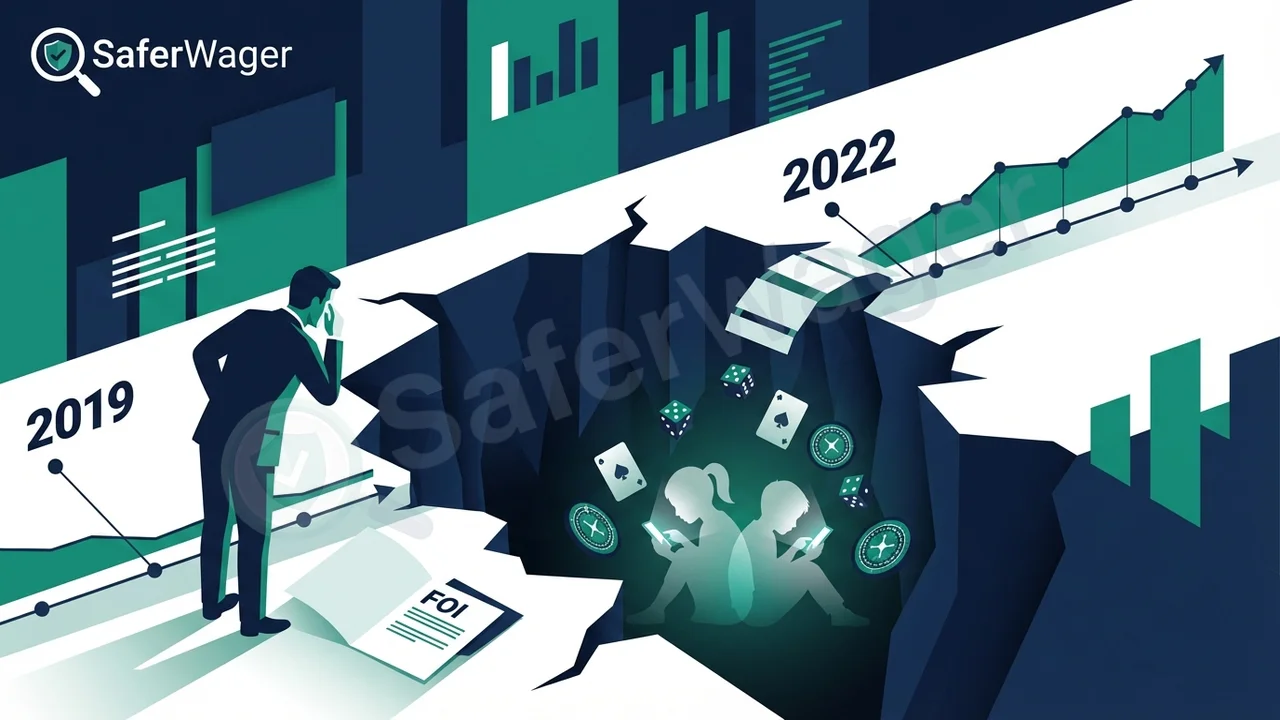
A Freedom of Information request has revealed the UK Gambling Commission holds no official survey data on youth gambling for 2020 and 2021. The regulator cited the COVID-19 pandemic as the reason for the significant gap in this crucial consumer protection data.
Article Content
A Freedom of Information (FOI) disclosure has revealed a significant two-year gap in the UK Gambling Commission's (UKGC) official data on gambling among young people.
The regulator confirmed it does not hold a completed dataset or analysis for its annual Young People and Gambling Survey for either 2020 or 2021, creating a blind spot during the critical period of the COVID-19 pandemic.
The Key Finding
In a response to an FOI request dated 23 November 2023, the UKGC stated that fieldwork for the 2020 survey was halted midway through the year due to the impact of COVID-19. The Commission deemed the partially collected data "unrepresentative" and, as a result, did not write a report or conduct any further analysis.
Furthermore, the regulator confirmed that it did not undertake a Young People and Gambling Survey at all in 2021. This means that for two consecutive years, no official national-level data was produced by the UKGC on the gambling behaviours and attitudes of 11-16 year olds in Great Britain.
Why This Data Matters
The Young People and Gambling Survey is a cornerstone of evidence-based gambling regulation in the UK. It provides essential insights into:
- The prevalence of gambling among minors.
- The types of gambling activities children are engaging in.
- The influence of advertising and online gaming on young people.
- Rates of problem gambling among this vulnerable age group.
This data is crucial for the government, public health bodies, and the Commission itself to understand emerging trends, identify risks, and develop effective consumer protection policies. The absence of data for 2020 and 2021 covers a period when lockdowns and school closures dramatically altered the daily lives and online habits of young people.
Industry Implications
The lack of data from this period makes it more difficult for policymakers and researchers to accurately assess the impact of the pandemic on youth gambling. While the UKGC explained its decision was due to the data being unrepresentative, the outcome is a significant evidence gap.
When the survey resumed in 2022, its findings were compared against the pre-pandemic data from 2019. This makes it challenging to track the specific trends and changes that may have occurred during the two-year gap.
For consumers and parents, this gap means less official information is available about the risks and behaviours that may have developed during a unique period of social change. The UKGC noted in its response that raw data from surveys in other years remains publicly available via the UK Data Service archive.