
Betway's £11.6m Fine Paid, Licence Intact
A Freedom of Information request confirms the operator settled its 2020 penalty for VIP failings, but the UKGC remains guarded on its decision not to revoke the licence.
The UK Gambling Commission has confirmed that Betway paid its £11.6m penalty from 2020 for social responsibility and anti-money laundering failures. The disclosure also sheds light on why the operator's licence was not revoked at the time.
Article Content
UKGC Confirms Betway Paid £11.6m Settlement
The UK Gambling Commission (UKGC) has confirmed that Betway has paid the £11.6 million regulatory settlement issued in 2020 for significant social responsibility and anti-money laundering failures. The confirmation came in a full disclosure response to a Freedom of Information (FOI) request dated 11 September 2023.
The original penalty was one of the largest of its kind and related to failings connected to high-spending 'VIP' customers between 2014 and 2018. For consumers, this disclosure confirms that major enforcement actions result in collected funds, but it also highlights the regulator's discretionary approach to sanctions.
Where Does the Money Go?
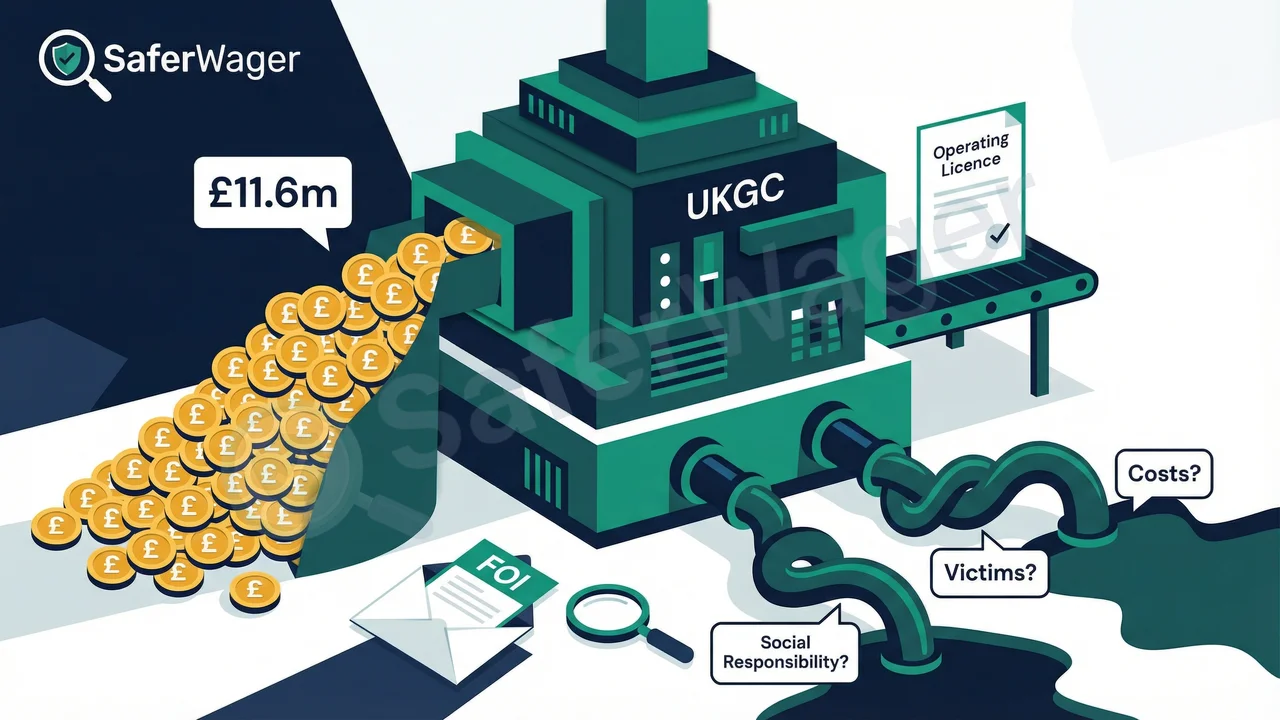
The FOI response clarifies that the £11.6m has been "paid by Betway to the allocated destinations." The UKGC explained that funds from such regulatory settlements are not simply fines paid to the Treasury. They can be composed of up to three elements:
- Divestment: Funds returned to individuals impacted by an operator's non-compliance, such as customers or identified victims of crime.
- Social Responsibility Payments: Contributions made to organisations for social responsibility purposes, such as research, education, and treatment of gambling harm.
- Cost Recovery: Repayment for the Gambling Commission’s investigation and enforcement costs.
While the UKGC confirmed the full amount was paid, the FOI response did not provide a specific breakdown of how the £11.6 million was allocated across these three categories.
Licence Status and Sanctioning Decisions
The request also questioned why the Commission did not suspend or revoke Betway's licence at the time of the failings. In its response, the UKGC did not provide specific reasons for the Betway case. Instead, it stated that every decision is made on a case-by-case basis, guided by its published policies, including the Statement of principles for licensing and regulation and the Licensing, compliance and enforcement policy statement.
The regulator's response underscores that its primary tools are licensing, setting codes of practice, compliance activities, and enforcement action. The decision to issue a financial penalty rather than a licence suspension or revocation falls within its established framework.
The UKGC also confirmed that Betway's operating licence remains active, directing the requester to the public licensee register on its website for real-time status updates.
What This Means for Consumers
This disclosure provides a degree of transparency for consumers, confirming that significant financial penalties are enforced. It also offers insight into the destination of these funds, which are intended to repair harm and cover regulatory costs.
However, the response also illustrates the limits of transparency in regulatory decision-making. The Commission's reliance on a general policy framework to explain its decision not to revoke Betway's licence leaves consumers without a specific understanding of the factors that allow a major operator to retain its licence after such serious failings. This highlights the significant level of discretion the regulator holds when determining sanctions.