
UKGC Clarifies Rules for 'On Location' Gaming Machines
FOI response confirms machines in public spaces like shopping centres must be in designated, enclosed areas, not open walkways.
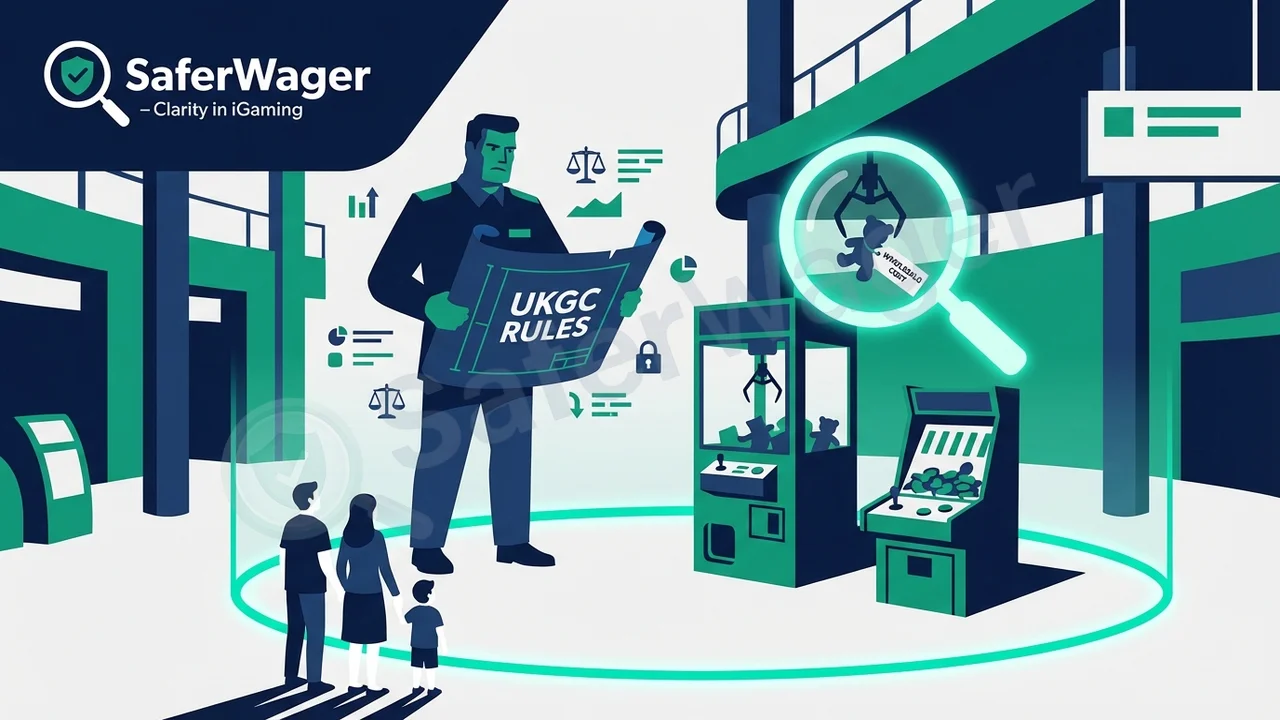
A Freedom of Information request has revealed the UK Gambling Commission's strict stance on Category D machines in public venues. The regulator confirmed machines in places like shopping centres must be in licensed, enclosed areas, not open corridors, and clarified prize value rules for crane grabs.
Article Content
A Freedom of Information (FOI) disclosure from the UK Gambling Commission (UKGC) has clarified the strict rules governing the placement of low-stake Category D gaming machines in public venues.
The response, dated 7 July 2024, confirms that operators cannot simply place machines in open-access areas of locations like shopping centres, airports, or motorway service stations. Instead, the machines must be situated within a specifically designated and enclosed premises.
What the Data Reveals
The FOI request sought to understand the licensing requirements for placing Category D machines—which include popular crane grab and coin pusher games—in third-party business premises. The UKGC's response provides crucial clarity for consumers and operators alike.
Key findings from the disclosure include:
-
Designated Areas Required: Machines cannot be located in public corridors or walkways. They must be contained within a premises that holds either a Family Entertainment Centre (FEC) licence or an Unlicensed Family Entertainment Centre (UFEC) permit. These are defined as distinct, enclosed areas, not the entire shopping centre or airport itself.
-
Overseas Suppliers Not Exempt: Any company, regardless of its location, that manufactures or supplies gaming machines for use in Great Britain must hold a UKGC operating licence. The Commission confirmed there are no additional or separate requirements for overseas firms; they are bound by the same stringent rules as domestic suppliers, including the Gambling Act 2005 and the Licence Conditions and Codes of Practice (LCCP).
-
Crane Grab Prize Value Clarified: For crane grab machines where the maximum prize value is £50, the UKGC specified this value is based on the wholesale cost of the prize, not its retail price. The regulator expects the machine supplier to be able to provide evidence of this wholesale value if challenged. This rule specifically applies only to crane grab machines and not other types of Category D products.
Why This Matters to Consumers
This clarification from the regulator is significant for consumer protection. By requiring machines to be in designated, enclosed areas, the UKGC aims to prevent the casual normalisation of gambling activities in general public spaces, which could otherwise expose children and vulnerable individuals with less oversight.
The ruling on prize values is also a key protection. Tying the £50 limit to the wholesale cost prevents operators from offering low-cost items with an inflated retail price to create a misleading sense of value. Consumers can have greater confidence that the top prizes in crane grab machines have a genuine value close to the advertised limit.
Finally, the confirmation that all suppliers, including those based overseas, must adhere to UKGC licensing standards ensures that all machines in the British market meet the same technical and safety requirements, providing a consistent level of protection for all players.