
Skill On Net Fined £305,150 for Safety & AML Failures
Operator penalised for significant breaches in player protection and anti-money laundering controls between 2021 and 2022.
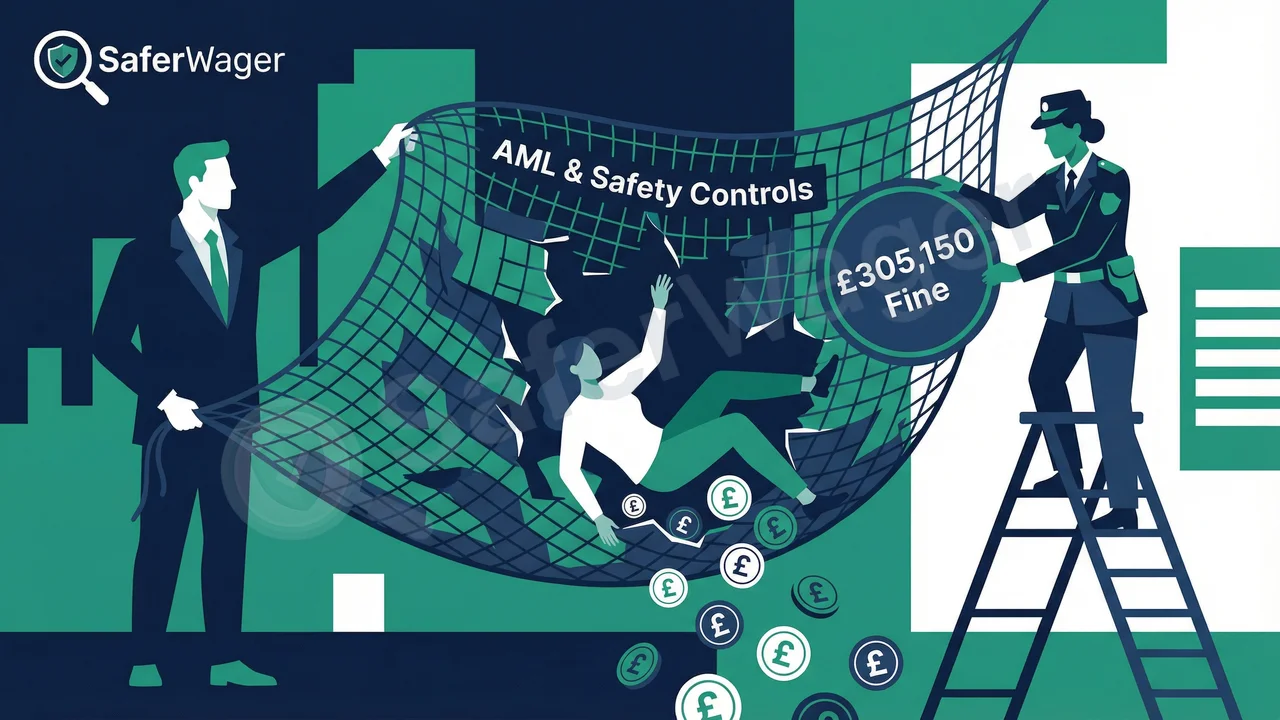
The UK Gambling Commission has ordered Skill On Net Limited to pay £305,150 for social responsibility and anti-money laundering failures. The investigation found weaknesses in identifying at-risk players and preventing illicit funds between January 2021 and December 2022. The operator will also undergo an independent audit.
Article Content
The UK Gambling Commission (UKGC) has ordered online gambling operator Skill On Net Limited to pay £305,150 following an investigation that uncovered significant failings in its social responsibility and anti-money laundering (AML) procedures.
The regulatory action, announced on 23 May 2023, addresses breaches that occurred between January 2021 and December 2022. The payment is part of a regulatory settlement and includes a divestment of £105,650.
Anti-Money Laundering Breaches
A UKGC review found that Skill On Net failed to meet its obligations to prevent money laundering and terrorist financing. The operator's AML risk assessment was deemed insufficient, as it failed to properly consider risks associated with organised crime, mule accounts, or payments from unknown third parties.
The Commission identified several key deficiencies in the company's policies and controls between May 2021 and December 2022:
- Inadequate Risk Profiling: The operator failed to effectively risk profile customers from an AML perspective.
- Over-reliance on Declarations: Skill On Net relied on unevidenced customer declarations to mitigate money laundering risks, rather than verifying sources of funds.
- Ineffective Spend Thresholds: The company failed to have appropriate procedures to consider a customer's salary or wealth to identify disproportionate spending.
- Control Failures: Several customers were able to deposit and lose more than double the £2,000 limit the operator had in place to mitigate risks from unverified payment methods.
Skill On Net also accepted it was in breach of Licence Condition 12.1.2, which requires operators based in foreign jurisdictions to comply with UK money laundering regulations.
Social Responsibility Failings
The investigation also revealed serious weaknesses in Skill On Net's responsible gambling practices, specifically its failure to protect vulnerable customers.
The UKGC highlighted several instances where the operator failed to identify and interact with players exhibiting clear markers of harm:
- One customer was allowed to deposit and lose up to £3,000 per month, an amount that exceeded their evidenced monthly salary.
- Another player engaged in a seven-hour gambling session overnight, admitting to using their phone on autoplay while at work. The operator's procedures failed to recognise this night play as a marker of harm.
- A technical issue allowed customers to deposit and place high-value bets at high velocity without triggering safer gambling controls.
- Interactions were often minimal, relying on automated pop-ups and taking customer assurances at face value without further scrutiny. In one case, a customer who lost £3,224 over 41 days continued to gamble after multiple automated alerts and basic chat interactions.
The Commission concluded that the operator's interactions did not effectively minimise the risk of customers experiencing gambling-related harm.
Regulatory Settlement and Implications
In addition to the £305,150 payment, the regulatory settlement requires Skill On Net Limited to:
- Pay £9,079 towards the Commission’s investigation costs.
- Conduct an independent third-party audit of its AML and safer gambling policies within 12 months to ensure its new controls are effective.
The UKGC noted that while the operator had cooperated with the investigation and taken steps to rectify the failings, the breaches were serious and occurred over a prolonged period despite previous compliance assessments.
This enforcement action underscores the UKGC's continued focus on ensuring operators implement robust and effective player protection and AML controls. For consumers, it serves as a reminder of the regulatory oversight in place to hold companies accountable for their legal and social responsibilities.